How to Successfully WFH
I've been working from home since 2018. Not because of a pandemic, not because my company went fully remote overnight — I chose it, advocated for it, and built a life around it. By the time 2020 hit and everyone else was suddenly scrambling to figure out how to do this, I'd already been running a CyberSecurity team remotely for two years. I watched a lot of people struggle with something I'd spent time intentionally designing. This post is what I wish I could have handed every one of them.
Let me be upfront: remote work is a skill. It's not just "office work but at home." The people who treat it that way are the ones who end up miserable, unproductive, and eventually begging to go back to the office. The people who treat it like a craft — who think deliberately about their environment, their rhythms, their communication — those people thrive. This is how you become the second kind of person.
Setting Up Your Space
This is where most people get it wrong first. They think any desk in any corner will do. It won't.
Your space needs to do two things: signal to your brain that work is happening, and signal to everyone else in your home that you are not available. These sound simple. They are not.
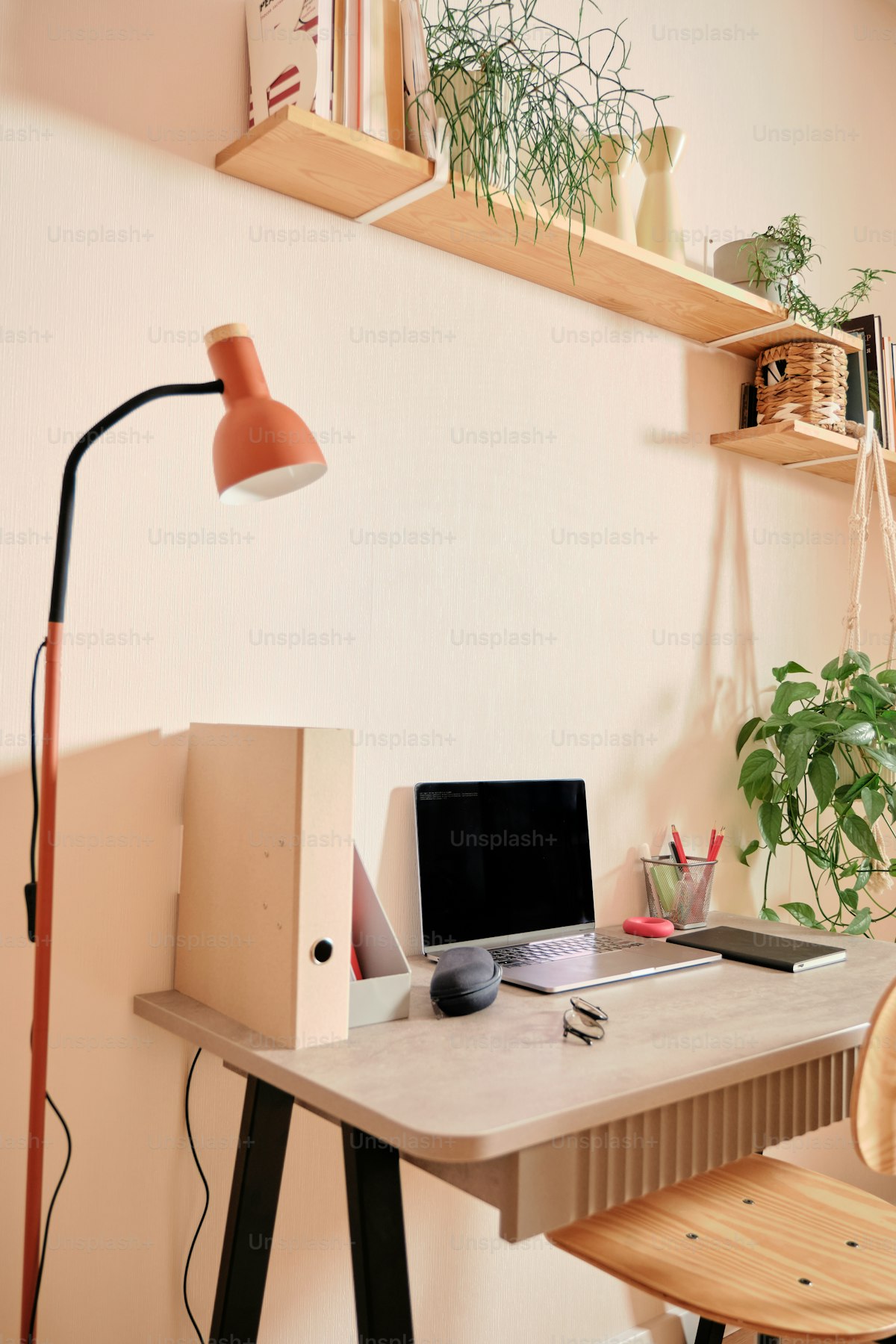
Dedicate a physical space. If you can, have a room with a door. A door is worth more than any piece of gear you can buy. When it's closed, you're working. When it's open, you're done. That physical boundary does psychological work you can't replicate any other way. If you don't have a room, a corner of a room with a defined perimeter still works — the key is that when you sit down in that spot, you're at work, and when you leave it, you're not.
Invest in your chair and monitor setup. I cannot stress this enough. You are going to spend eight-plus hours a day in this chair. A bad chair is not a minor inconvenience — it's a slow injury. Get something with lumbar support. Put your monitor at eye level so you're not craning your neck. Your home office setup will pay for itself in avoided physical therapy.
Lighting matters more than you think. Natural light is ideal. If you're on video calls (and you will be), bad lighting makes you look like you're hiding something. A decent ring light or even just positioning yourself facing a window changes how you show up in meetings.
Kill the distractions before they kill your focus. This means having a conversation with the people you live with about what "I'm working" means. It means your phone isn't sitting face-up on your desk. It means if you have kids, you have an arrangement for school hours. None of this is automatic — you have to build it deliberately.
Establishing Routines
The office building did a lot of work for you that you didn't notice until it was gone. It gave you a physical transition into and out of work mode. It gave you ambient social cues about what time it was and what you should be doing. When you're at home, you have to manufacture those cues yourself.
A morning routine is non-negotiable. Get dressed. I don't care if you think you'll be more comfortable in pajamas — get dressed. You don't have to wear a suit, but put on clothes you'd be willing to answer the door in. This is a psychological trigger. Your brain associates certain behaviors with certain states, and "got dressed" is a signal that says "we're doing work now."
Go through the motions of leaving for work, even if you're going five steps to your home office. Make your coffee. Take a short walk around the block if you can. The artificial commute isn't just about exercise — it's about giving your brain a transition period between "home self" and "work self."
Block your calendar aggressively. When you're in an office, people can see you're busy. At home, you're invisible. If you don't block time for deep work, focused work, or even just lunch, those times will be colonized by meetings. Put them on the calendar. Every recurring block of focus time should live there.
Build an end-of-work ritual. This one is as important as the morning routine and gets ignored twice as often. When you worked in an office, getting in your car or catching the train was a natural decompression. Now you need to create that. Shut the laptop. Write down where you left off. Take a walk. Do something that marks the end of the workday with the same clarity that the morning routine marks the start. Without this, work bleeds into evenings in a way that quietly destroys your mental health over time.
Communication Strategies
Remote work does not mean less communication. It means different communication, and learning the difference is critical.
Over-communicate your status. Update your Slack status religiously. If you're in a meeting, set it. If you're in focus time, set it. If you're stepping away for 30 minutes, set it. Your colleagues can't see you at your desk — your status is your presence signal. Team leads especially need to model this because the team will mirror whatever you do.
Default to async, but know when to pick up the phone. Not everything needs a meeting. A lot of things that become meetings are really just questions that could be a Slack message, or updates that could be a quick written summary. Protect your team's (and your own) calendar by defaulting to async communication when you can. That said, when something is genuinely complex, ambiguous, or emotionally loaded — stop typing and start talking. Text strips context and tone in ways that create misunderstandings that would never happen face-to-face.
Write things down. Decisions, context, reasoning. When you're remote, there are no hallway conversations. If you make a call and don't document it, the next person who needs that context has nowhere to go. Documentation isn't overhead in remote work — it's the actual infrastructure of how work gets done.
Set response time expectations explicitly. Remote work can create an anxiety where people feel they need to be available immediately at all times. This is unsustainable. Set norms with your team about expected response windows for different channels. Slack for urgent things, email for non-urgent, etc. And then live by those norms yourself.
Dealing with Isolation
No sugar coating it: working from home can be lonely. It's not a character flaw to find it hard. Humans are social animals and the office, for all its interruptions, provided low-cost social contact throughout the day. That doesn't happen automatically at home.
Schedule social interaction, don't wait for it. Virtual coffee chats, team lunches over video, end-of-sprint celebrations — these need to be put on the calendar deliberately. They won't happen organically the way watercooler conversations did.
Get out of the house. Seriously. At least once a day. Walk to get coffee. Go to the gym. The physical separation from your home-office space matters. It breaks the monotony and it keeps you tethered to the world outside your home.
Build community outside of work. If all of your social contact is work-derived, remote work will hollow you out. Find a local meetup, a hobby that gets you around other people, a sports league, something. Your social needs don't disappear because your job is remote, and work alone can't meet them.
Maintaining Work-Life Boundaries
This might be the most important section in this entire post and the one most people skip because they think they've got it handled. They don't.
The blurring of work and home is the silent killer of remote work happiness. You think you'll just answer one more email. You think it's fine to pop your laptop open after dinner. And then six months later you realize you haven't had an evening off in weeks and you can't remember the last time you felt genuinely rested.
The work computer stays in the office. If you have a dedicated work machine, it lives in your workspace. It doesn't come to the couch. It doesn't come to the bedroom. The physical separation of the device is a hard boundary that does the psychological work for you.
Use calendar blocking to protect personal time. Block your lunch. Block your gym time. Block evenings. If it's not on the calendar, someone will schedule a meeting over it.
Communicate your hours clearly and hold them. If your day ends at 5:30, stop responding at 5:30. If you respond at 9pm, you're training people to expect 9pm responses. Your behavior sets the norms for everyone around you, especially if you're a team lead.
Tools That Help
A few concrete recommendations from years of iteration:
- Slack status automation — connect it to your calendar so it updates automatically when you're in meetings
- Focus modes on your phone — set a work focus that silences everything except work apps during work hours, and a home focus that mutes work apps after hours
- Time blocking in your calendar — non-negotiable for protecting deep work time
- A good set of headphones — noise canceling for focus, a reliable mic for calls. This is basic infrastructure, not a luxury.
- A physical notebook — for capturing thoughts during the day without context-switching to another app
The Takeaway
Remote work done well is one of the best professional arrangements I've ever experienced. It requires real investment and intentional design, but the payoff — autonomy, flexibility, zero commute, the ability to do deep work on your own terms — is substantial.
The people who struggle with remote work usually aren't struggling because they lack discipline. They're struggling because they never sat down and deliberately designed how remote work would function in their life. Do that work upfront. Build the systems. Set the norms. And then actually live by them.
It won't be perfect on day one. It took me a solid six months before I felt like I'd really figured out my rhythm. But every iteration made it better, and right now, years in, I wouldn't trade it for anything.